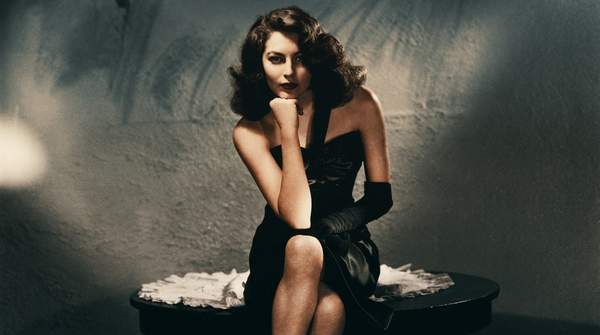
Film noir is best understood not as a single element but as a cluster: a body of Hollywood crime dramas from the 1940s and 1950s, marked by low-key black-and-white lighting, cynical and doomed protagonists, manipulative femme fatales, and a pervasive moral ambiguity. The term itself is French for "black film" or "dark film," a label critics applied to describe both the moody themes and the distinctive visual style of these pictures. What makes noir genuinely interesting — and genuinely slippery — is that critics still disagree about whether it is a genre, a style, or simply a mood. This guide lays out the characteristics you can actually look for, then walks through that debate so you can judge for yourself.
Introduction to Film Noir: A Dark Cinematic Legacy
Film noir emerged in the United States in the 1940s and 1950s, and from the beginning it was a cinematic term used to describe a style or genre of Hollywood crime dramas. The thematic darkness of these films drew heavily on American hard-boiled detective fiction of the 1920s and 1930s, particularly the work of writers like Dashiell Hammett, whose The Maltese Falcon became a landmark screen adaptation, and Raymond Chandler, whose The Big Sleep did the same. That literary inheritance gave noir its cynical, pessimistic tone and its moral ambiguity before a single frame was shot.
What unites these films is less a plot formula than an attitude. Noir is characterized by a worldview in which truth is elusive, institutions are not to be trusted, and characters are desperate — a reflection, as critics have noted, of a world shaken by war, distrust, and shifting societal roles. The visual style, the narrative structure, and the character types all serve that attitude. When you watch a noir, you are not just following a story; you are inhabiting a mood. And that is precisely why the classification question has never been settled.