For most home insulation projects, the right choice comes down to three questions: how much performance you need per inch, where the insulation is going, and whether you can install it yourself. Fiberglass batts are the most DIY-friendly and affordable option for open framing in attics, walls, and floors. Cellulose loose-fill suits attics and enclosed wall cavities but needs blowing equipment. Spray foam delivers the highest performance and built-in air sealing, but it is a professional job with a professional price. This guide compares the three most common materials and maps them to specific areas of your home.
Insulation Material Comparison for Your Home Project
The table below compares the three most common insulation materials across the factors that drive a homeowner's decision: physical form, where each works best, and who should install it. Use it to narrow your options before considering performance details and cost.
| Insulation Type | Common Forms | Typical Application Areas | Installation (DIY vs. Pro) |
|---|---|---|---|
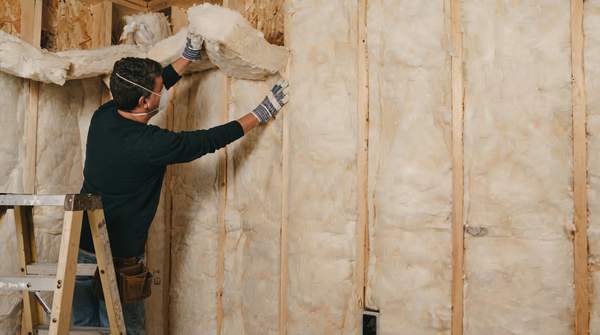
| Fiberglass | Batts and rolls; also loose-fill | Walls, attics, and floors with open framing | DIY-friendly, especially batts and rolls; safety gear and proper technique required |
| Cellulose | Loose-fill made from recycled paper products | Blown into wall cavities and attics; fills irregular spaces well | Requires specialty blowing equipment; typically a professional job |
| Spray foam | Open-cell and closed-cell sprayed foam | Irregular spaces, rim joists, cathedral ceilings, unvented roof decks | Professional installation; specialized application process |
One performance note on fiberglass: it offers roughly R-3.0 to R-4.3 per inch, though the exact figure varies with product density and form. R-value measures a material's resistance to heat flow, and higher numbers mean better insulating performance per inch of thickness.