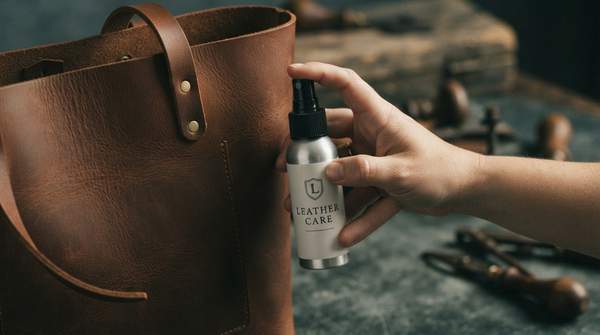
The single most important step in leather care happens before you touch a single product: identifying what kind of leather you own. Full-grain, top-grain or pigmented, and suede or nubuck leathers each respond differently to water, cleaners, and conditioners, and applying the wrong treatment can cause damage that no routine can reverse. A simple water drop test, a touch test, and a glance at any care tag will sort almost any common consumer item into one of these categories, and from there the correct routine follows logically.
Understanding Your Leather: Why Identification Matters
Leather is a natural material that changes with use and exposure. As one care guide from Leather Honey puts it, leather products "will become dirty, soiled or scratched over time," and when exposed to dirty, dry, or wet conditions, leather "will require specialized cleaning and conditioning to maintain its shape, strength, and appeal." How much dirt and wear an item accumulates depends on the product itself—shoes, for instance, tend to get dirtier than furniture or handbags.
The reason identification comes first is that leather types differ at the surface. A furniture care guide from Cozy Home Furniture explains that pigmented or corrected leather carries a plastic-like protective top coat, which is why it tolerates a damp cloth and mild soap far better than other finishes. Suede and nubuck, by contrast, have a napped, fuzzy surface that water damages almost instantly, leaving permanent dark rings. Treating one like the other is where most damage begins.
That same guide advises always identifying your leather finish with tests like the water droplet test or manufacturer care codes before choosing any cleaning or conditioning product, precisely to prevent this kind of mismatch. In short: the finish determines the rules.