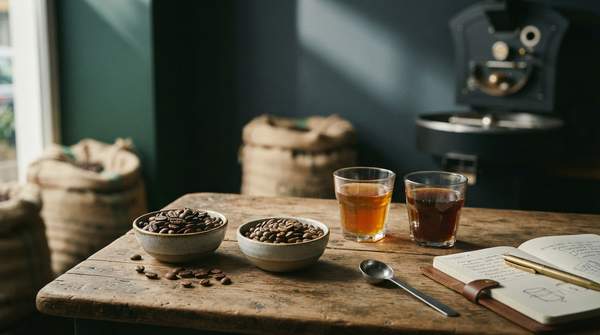
Choose Arabica when you want a smoother, sweeter, more aromatic cup with nuanced fruit, floral, or chocolate notes and less caffeine. Choose Robusta when you want a bold, bitter, high-caffeine coffee with heavy body and thick crema, which is why roasters regularly blend it into espresso. The two species differ starkly in flavor, chemistry, and best use, and the processing method applied after harvest, washed, natural, or honey, adds a second layer of flavor control on top of the bean itself.
Arabica: The Aromatic and Complex Choice
Arabica is the species most drinkers encounter in specialty coffee, and its reputation rests on sweetness and complexity. Writing for Purity Coffee, Craig Junghandel describes high-quality Arabica as rich, sweet, and incredibly aromatic, with flavor notes spanning fruits, herbs, spices, flowers, chocolates, and nuts. Its lower bitterness and clean finish make it well suited to single-origin brews and craft coffee menus, as Java City's guide to the two beans puts it.
Those aromatics are not incidental. The same chemistry that gives Arabica its complexity, including its higher sugar content relative to Robusta, is what keeps its bitterness in check. Nguyen Coffee Supply's comparison notes that Arabica is often washed after harvest, a processing choice that tends to preserve its bright, citrusy, fruit-forward character. The result is a bean that rewards attention: tasted side by side, an Arabica will typically read as bright and fruity where a Robusta reads deep and bold.
Robusta: Boldness, Body, and a Caffeine Kick
Robusta is the workhorse species, grown mainly in Africa and Southeast Asia, where its hardiness makes it easier to farm. Its defining trait is caffeine: Robusta beans contain nearly double the caffeine of Arabica, according to Java City. That caffeine is not just a stimulant, it is also a natural pest repellent for the plant, and it contributes directly to the bean's pronounced bitterness.
In the cup, Robusta is strong, bold, and earthy or nutty, with more bitterness than Arabica. Purity Coffee's Junghandel is blunt that Robusta can taste overwhelmingly bitter, with lower sugar content making it seem flat or papery, though he also cautions that very high-quality Robustas can outperform very low-quality Arabicas. Methodical Coffee's Marco Suarez adds that Robusta's bold flavor makes it less commonly consumed as a single origin, but valuable in blends for its caffeine boost, solubility, and robustness.