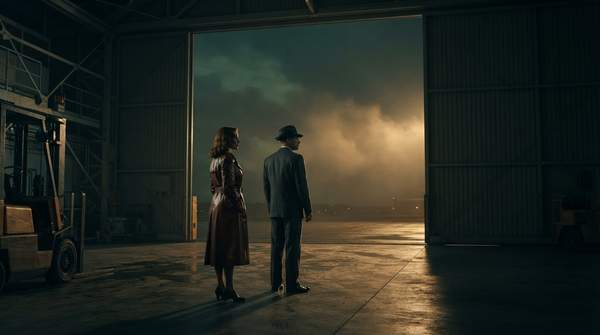
Film noir is best understood not as a single formula but as a cluster of visual, narrative, and character signatures that American cinema developed in the 1940s and 1950s—and that filmmakers have been borrowing ever since. Its core components are a high-contrast visual language of deep shadows, stories built on moral ambiguity and betrayal, and archetypes like the cynical anti-hero and the femme fatale. Once you can name those elements, you can trace them from classic black-and-white crime pictures straight through to Blade Runner, Sin City, and True Detective.
Introduction: Setting the Stage for Noir
The term "film noir" is French for "black film" or "dark film," a label applied to a genre of films that emerged in the United States in the 1940s and 1950s, as Jason Hellerman explains in his guide for No Film School. What makes noir slippery is that it was never a tidy category. Cinema historian Mark Bould famously called it an "elusive phenomenon," and scholars emphasize that not every noir embodies all of its attributes in equal measure—one film might be dreamlike, another brutal. Some films commonly identified as noir even fit comfortably within the Hollywood mainstream visually. So noir is best treated as a diagnostic checklist rather than a membership roll: the more elements a film displays, the more strongly the label applies.